
Blog

Monitoring of Light Absorbing Impurities (LAIs) in Snow and Glaciers along the Central Andes

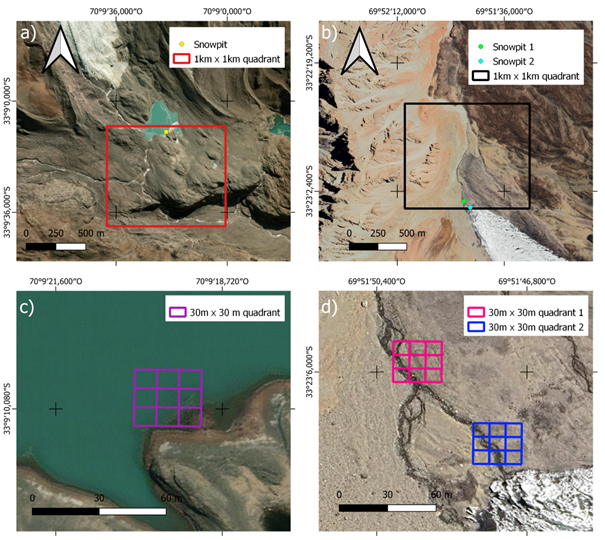
1.       Introduction  Black Carbon (BC) is one of the major pollutants linked to anthropogenic emissions that can contribute to accelerated melting of glaciers and snow due to changing of the surface albedo. It is primarily produced by the incomplete combustion of fossil fuels and biomass and is considered the second-largest contributor to anthropogenic radiative forcing
Read More

Advancing Urban Climate Understanding through Remote Sensing Techniques

Advancing Urban Climate Understanding through Remote Sensing Techniques Submission Deadline: April 30, 2026 (50% discount on the APC!). Topic Editors James Voogt Professor in Urban Climatology at Western University, Ontario, Canada. Wim Timmermans Researcher in Land-Atmosphere Interaction, Remote Sensing at University of Twente, Enschede, The Netherlands. About this Special Issue As a follow up of the 12th International

Read More

Earth Surface Temperature Trends from MODIS LST and SST Products (2003–2023): A Comparison of versions 6 and 6.1

1. Introduction Long-term trends of surface temperature serve as a key indicator of climate change. Admittedly, Thermal infrared (TIR) remote sensing data has been widely used for earth observation. Among them, MODIS and Landsat are the most popular TIR datasets (Reiners et al., 2023), however, focused on different application scales. MODIS is primarily used for

Read More

Earth Observation for Assessment of Climate Impacts Across Africa

Earth Observation for Assessment of Climate Impacts Across Africa Submission Deadline: October 30, 2026 (50% discount on the APC!). Topic Editor Abdelghani Chehbouni Doctor in hydrology and remote sensing & Program lead of CRSA at UM6P. About this Special Issue As part of the International Workshop on Earth Observation (EO) for Assessment of Climate Impacts Across Africa (EOFACIA),

Read More

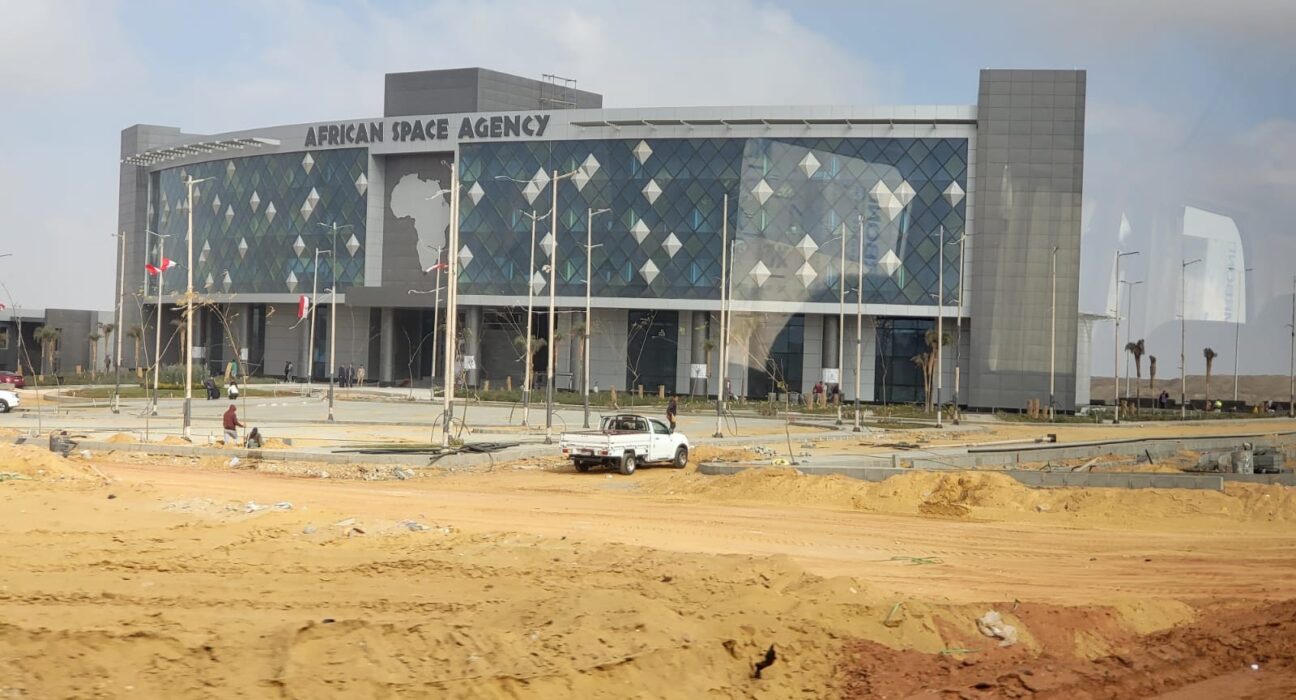
Inauguration of the African Space Agency powered by African Union

Recent Advances congratulates the African Space Agency (AfSA) on its official inauguration in Cairo, marking a major milestone for Africa’s role in global space science and Earth observation. Coordinating Africa’s Continental Space Strategy The African Space Agency (AfSA) was formally established under the African Union’s Agenda 2063 to provide strategic oversight and coordination of space

Read More

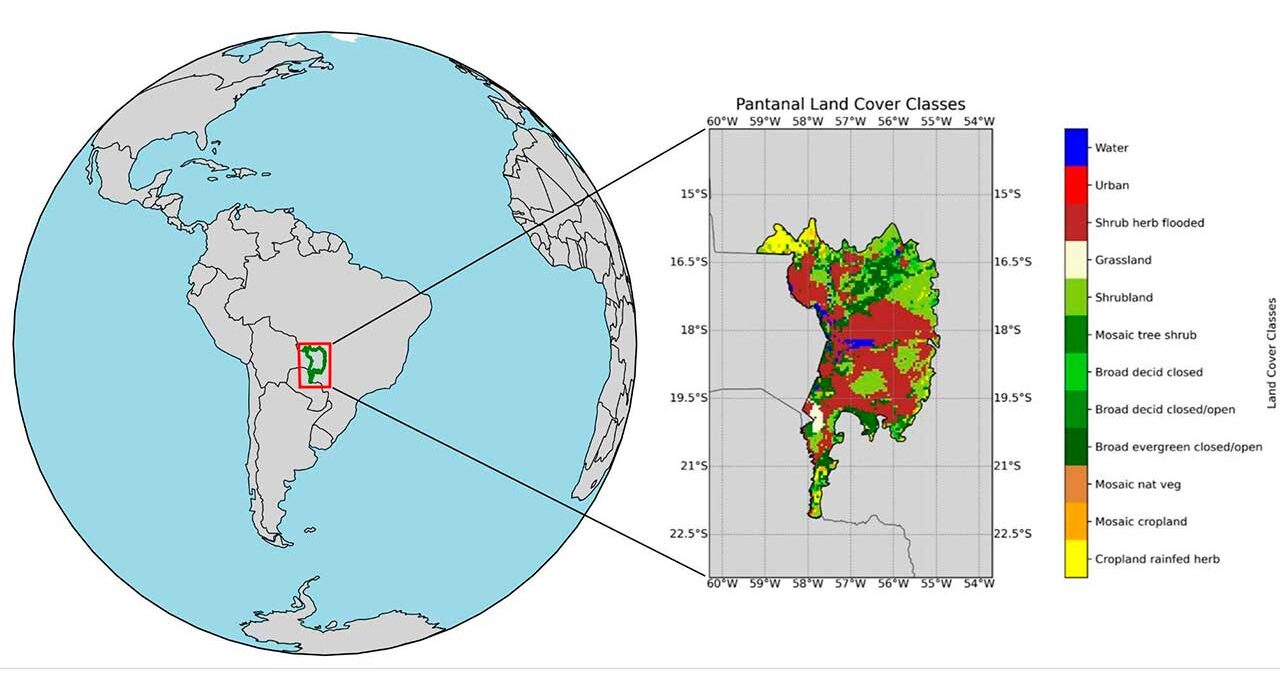
Evapotranspiration anomalies over the Pantanal region during the 3 droughts 2018-2020

1.       Introduction  The Pantanal, spanning approximately 140,000 square kilometers across Brazil, Bolivia, and Paraguay, is the largest continuous wetland on Earth and one of the most biodiverse regions in the world. Recognized as a UNESCO World Heritage site and Biosphere Reserve, it supports an extraordinary variety of flora and fauna, including several endangered species (Silva

Read More

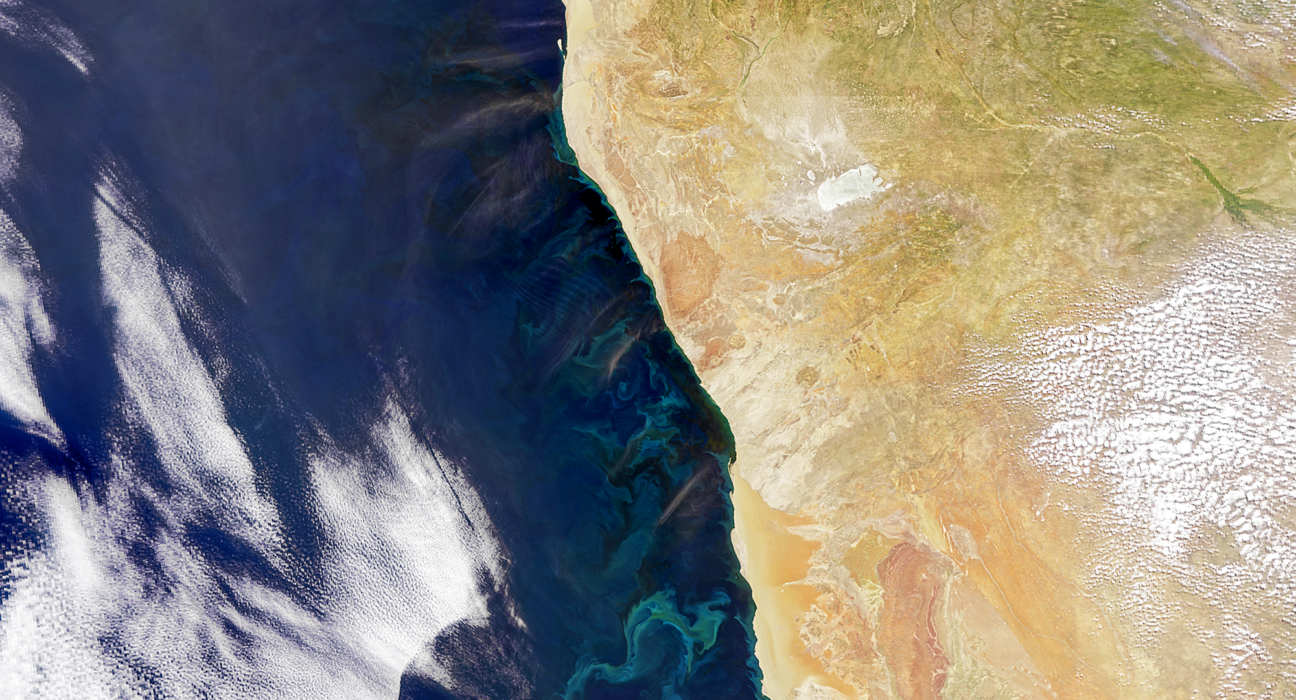
NASA PACE Satellite Tracks Phytoplankton Blooms and Saharan Dust in the Atlantic

Monitoring marine ecosystems from space with high-resolution hyperspectral imaging In April 2025, NASA’s Plankton, Aerosol, Cloud, ocean Ecosystem (PACE) satellite captured detailed imagery off the northwest coast of Africa, revealing interactions between Saharan dust transport, ocean circulation, and phytoplankton blooms. This observation underscores the capability of space-based remote sensing to enhance our understanding of marine

Read More

constellr High-precision Versatile Ecosphere (HiVE) Thermal Mission:Technical Overview and Application Insights

1. Introduction With increasing global temperatures and intensified climate variability, the demand for high-resolution thermal data has become more critical than ever. Accurate thermal information is indispensable for managing resources, optimizing urban development, safeguarding public health, and enhancing security and defense capabilities. Despite advancements in satellite remote sensing technology, a significant gap remains in the

Read More

Biomass Satellite Launch 2025: ESA’s P-Band Radar Mission for Forest Carbon Mapping

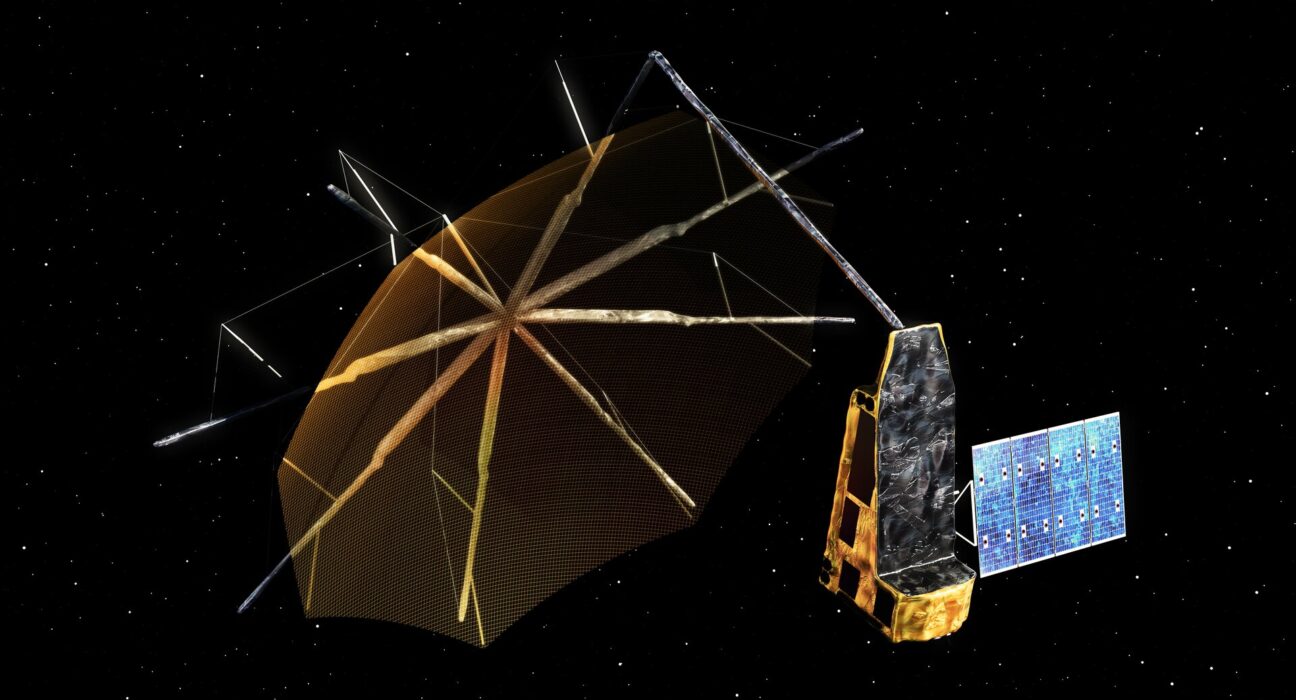
Biomass Satellite Launch 2025 is Scheduled for April 2025 The European Space Agency (ESA) has confirmed the launch date of its Biomass satellite for 29 April 2025. As part of ESA’s Earth Explorer programme under the Living Planet framework, the mission is being developed in collaboration with Airbus Defence and Space. The satellite is equipped

Read More

Long-term and short-term estimations of snow water availability from the Barasona reservoir

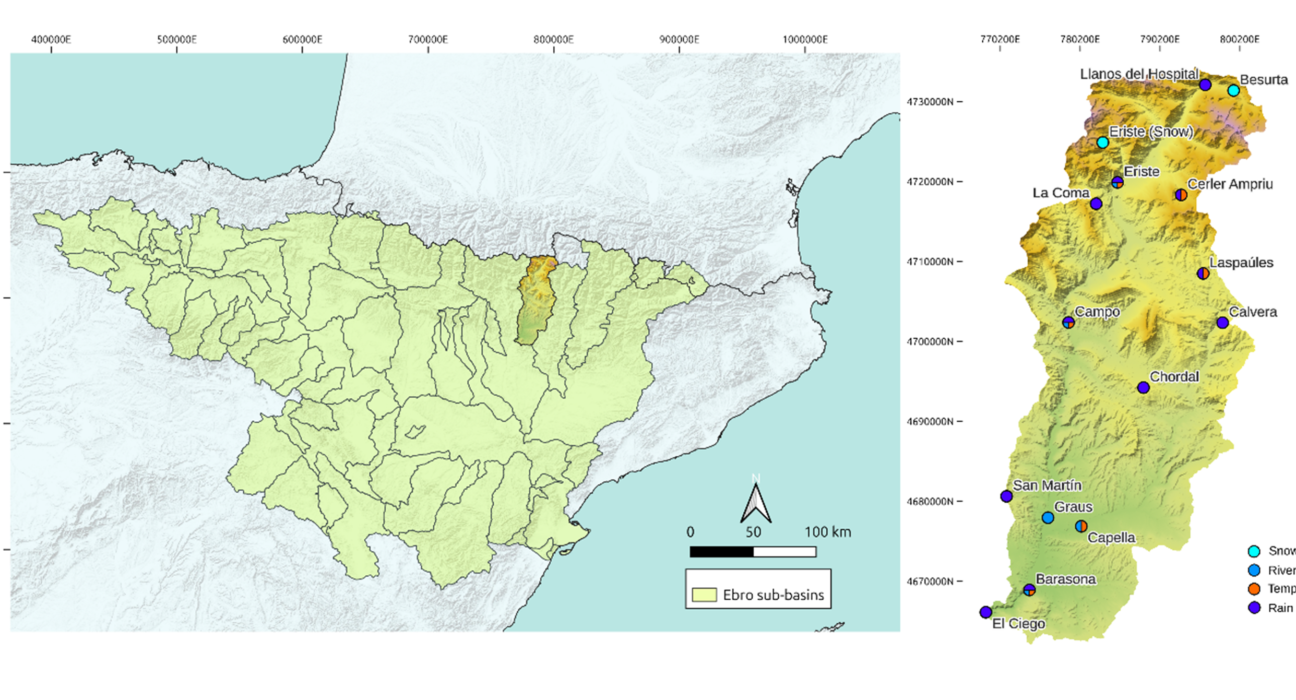
1. Introduction In semi-arid climates, accumulated water in the form of snow at the mountains is an important asset, especially for agriculture, which in regions like the Mediterranean consumes on average a 69% of all water supply (Malek & Verburg, 2017; FAO, 2016). In fact, the Mediterranean is recognized by several studies as one of the

Read More
X