



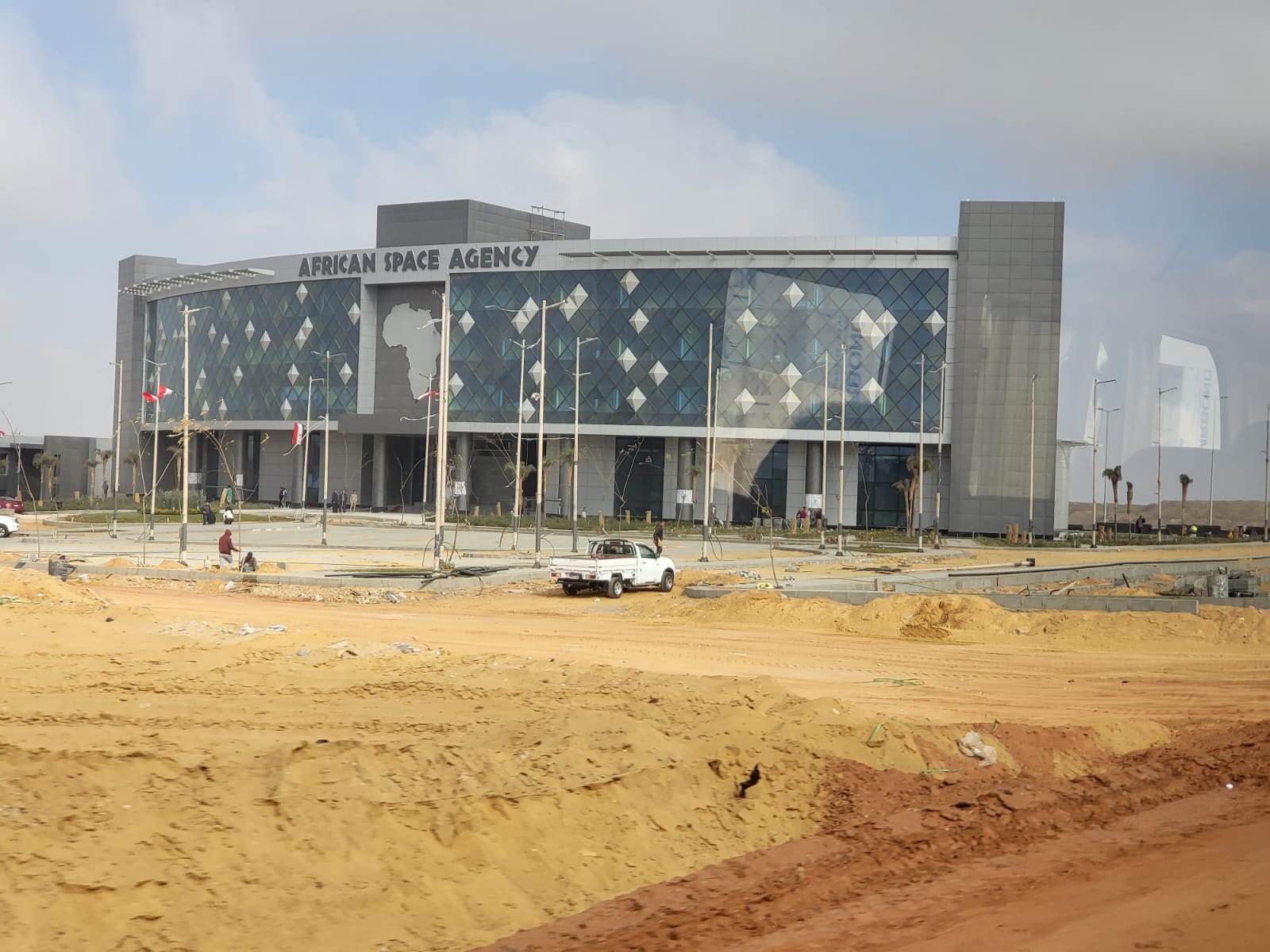
Recent Advances congratulates the African Space Agency (AfSA) on its official inauguration in Cairo, marking a major milestone for Africa’s role in global space science and Earth observation.
Coordinating Africa’s Continental Space Strategy
The African Space Agency (AfSA) was formally established under the African Union’s Agenda 2063 to provide strategic oversight and coordination of space activities across member states. Its mandate encompasses the development of indigenous space technologies, formulation of unified space policy frameworks, and expansion of regional Earth observation infrastructure.
The agency’s official inauguration, held on April 20, 2025, at its headquarters in Cairo, was attended by representatives from the African Union Commission, national governments, and international space agencies, including the European Space Agency (ESA) and NASA. This institutional milestone signifies growing recognition of Africa’s structured contribution to global space governance and geospatial science.
Strengthening Earth Observation for Sustainable Development
AfSA plays a key role in enhancing Africa’s remote sensing capacity to address cross-cutting challenges such as climate change, food security, land degradation, and disaster preparedness. Through initiatives like GMES & Africa, the agency supports national and regional institutions in leveraging satellite-based data for science-based environmental policy and sustainable resource management.
This institutional architecture positions Africa within a broader global transition toward data-driven decision-making enabled by advanced geospatial technologies.
Advancing Policy Harmonization and Scientific Collaboration
AfSA fosters alignment of space-related policies across African Union member states, facilitating cross-border scientific cooperation and enabling Africa to participate with a unified voice in international space diplomacy. By consolidating fragmented efforts under a single strategic entity, AfSA enhances efficiency, synergy, and the scientific reach of continental space programs.
Supporting Equitable Access to Scientific Publishing
In alignment with AfSA’s vision of inclusive scientific development, Remote Sensing Communications (RSCOMM) promotes equity in knowledge dissemination. The journal offers one article per year free of charge to corresponding authors from low and lower-middle-income countries, based on the World Bank’s official classification.
This policy supports broader representation from under-resourced regions in the fields of remote sensing, Earth observation, and space policy research, fostering a more globally inclusive research landscape.
Outlook: Building a Resilient African Space Ecosystem
The operationalization of AfSA is expected to accelerate innovation in satellite applications, regional climate science, and capacity building in geospatial analytics. Key pillars of its long-term strategy include the development of technical training programs, inter-agency partnerships, and support for mission design and data integration within African institutions.
These advancements will enhance Africa’s contribution to global monitoring systems and fortify its role in tackling regional development priorities through space science.
RSCOMM’s Endorsement of AfSA’s Mission
Remote Sensing Communications welcomes the launch of the African Space Agency as a transformative advancement in Africa’s scientific infrastructure. The journal remains committed to supporting initiatives that expand access to Earth observation technologies and promote the visibility of research originating from the Global South.
Researchers working on African space initiatives, satellite programs, or geospatial data applications are encouraged to submit their findings to RSCOMM for global dissemination and academic visibility.
Recent Advances in Remote Sensing and Remote Sensing Communications invite submissions on topics including:
- Ocean color remote sensing
- Hyperspectral data analysis
- Satellite monitoring of marine ecosystems
- Atmosphere-ocean interactions
- Climate impacts on phytoplankton and carbon cycles
Submit your manuscript here to contribute to advancing global remote sensing research.
References
Agenda 2063: The Africa We Want